
Unjani Clinic Network
Standardizing operations across multiple Unjani clinics with a unified system.
The Challenge
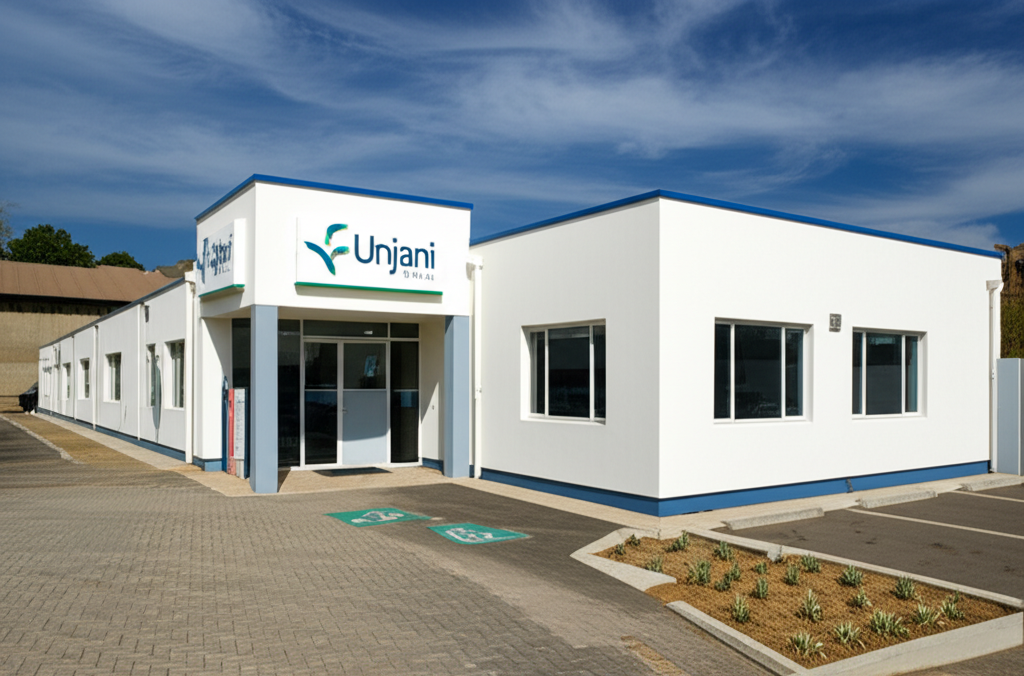
The Unjani Clinic Network, a group of nurse-owned and operated primary healthcare clinics serving low-income communities in South Africa, was facing several operational challenges:
- Inconsistent processes - Each clinic was using different methods for patient management, record keeping, and financial tracking.
- Financial tracking difficulties - The network struggled to accurately track NPC cost recoveries and financial performance across clinics.
- Limited reporting capabilities - Generating network-wide reports for funders and stakeholders was time-consuming and often inaccurate.
- Scaling challenges - As the network grew, the lack of standardized systems was becoming a significant barrier to efficient expansion.
- Data security concerns - Paper-based records and inconsistent digital practices raised concerns about patient data security.
The Unjani Network management team approached PNT Consulting seeking a solution that would standardize operations across clinics while respecting the unique needs of each location and the nurse-owner model.
Our Solution
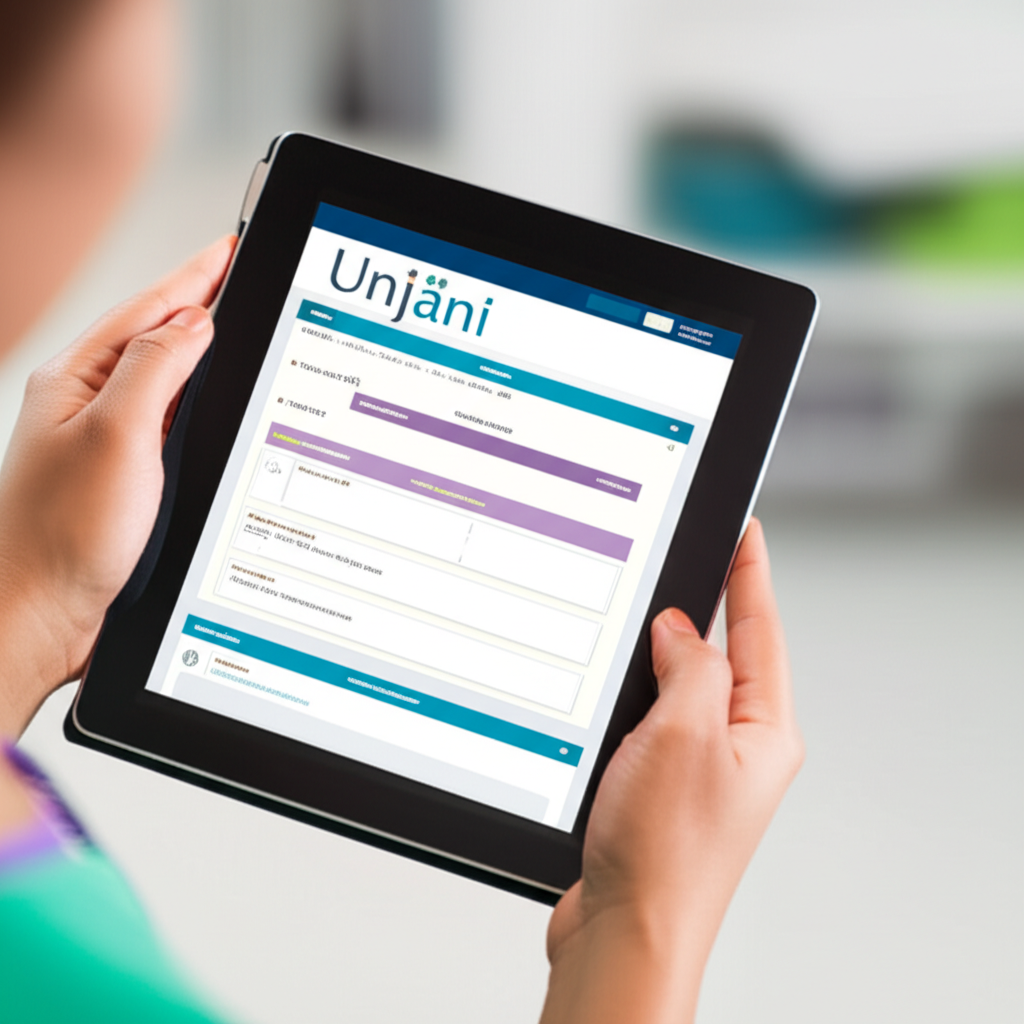
After extensive consultation with clinic owners and network management, we customized our Clinic Assistant solution specifically for the Unjani Network's unique requirements:
Standardized Workflows
Consistent patient management processes across all clinics while allowing for local flexibility.
NPC Cost Recovery Tracking
Specialized financial tracking for the unique Unjani funding model and NPC cost recoveries.
Network-wide Reporting
Centralized reporting system for both individual clinics and network-level insights.
Secure Patient Records
POPIA-compliant digital patient records with appropriate access controls.
The implementation approach was carefully designed to respect the nurse-owner model:
- Phased rollout starting with 5 pilot clinics
- Extensive consultation with nurse-owners to ensure the system met their needs
- Comprehensive training program with ongoing support
- Offline capabilities to accommodate clinics with unreliable internet
- Customized financial reporting aligned with Unjani's unique business model
- Integration with existing network-level systems

The Results
The pilot implementation across 5 Unjani clinics demonstrated significant improvements:
Key improvements included:
- Standardized patient management processes across all pilot clinics
- Accurate tracking of NPC cost recoveries, improving financial sustainability
- Significant reduction in time spent on administrative tasks
- Improved data quality for network-level reporting
- Enhanced patient experience with reduced waiting times
- Better inventory management and reduced waste
"The Clinic Assistant system has transformed how we operate. We now have clear visibility into our operations, our financial reporting is much more accurate, and our nurses can spend more time with patients instead of paperwork. The system respects our nurse-owner model while giving us the standardization we need to grow effectively."
Long-term Impact
Following the successful pilot, the Unjani Network has begun rolling out the system to additional clinics, with plans for network-wide implementation:
- The standardized system has become part of the onboarding process for new clinics
- Network-level data has improved strategic decision-making and resource allocation
- The improved financial tracking has strengthened relationships with funders
- The system has been expanded to include additional modules for specific healthcare programs
- Nurse-owners report higher satisfaction with their business operations
The Clinic Assistant implementation has become a key enabler of the Unjani Network's mission to provide affordable, accessible healthcare while creating sustainable businesses for nurse entrepreneurs.